Description
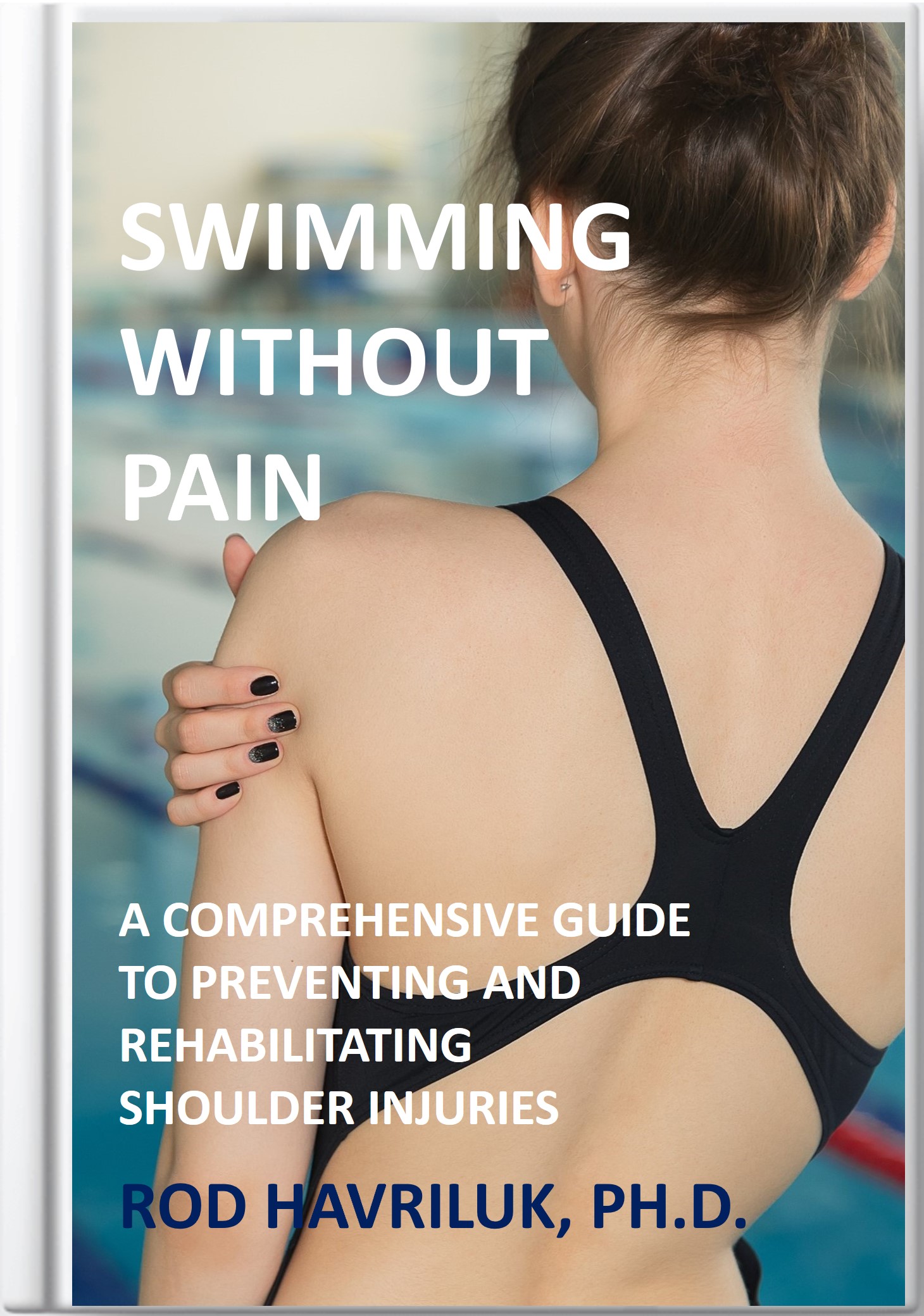
“Swimming Without Pain” eBook is a comprehensive guide to preventing and rehabilitating shoulder injuries.The eBook contains more than 100 pages and 200 images that clearly present information that every swimmer and coach needs to know.
The first chapter includes sections on the prevalence of shoulder injury, shoulder anatomy, and terminology. The second chapter addresses strategies to minimize the risk factors for injury. Chapters 3-6 cover the phases of each stroke in detail and present the technique adjustments that can avoid shoulder injury. Chapter 7 provides practice strategies to help a swimmer make technique adjustments as quickly as possible.
From the introduction:
“Many swimmers suffer significant pain, miss training time, and even retire from swimming because of shoulder injuries. This statement is supported by more than forty-years of documentation on the prevalence of shoulder injuries. Fortunately, we now also have substantial information, especially about technique, that can prevent injury by minimizing shoulder stress during swimming. This book explains technique adjustments that can minimize both the number and severity of injuries and presents related training concepts. Swimmers and coaches will be pleased to note that all the technique adjustments that relieve shoulder stress also improve performance.”
CHAPTER 1
Introduction to the Shoulder in Swimming
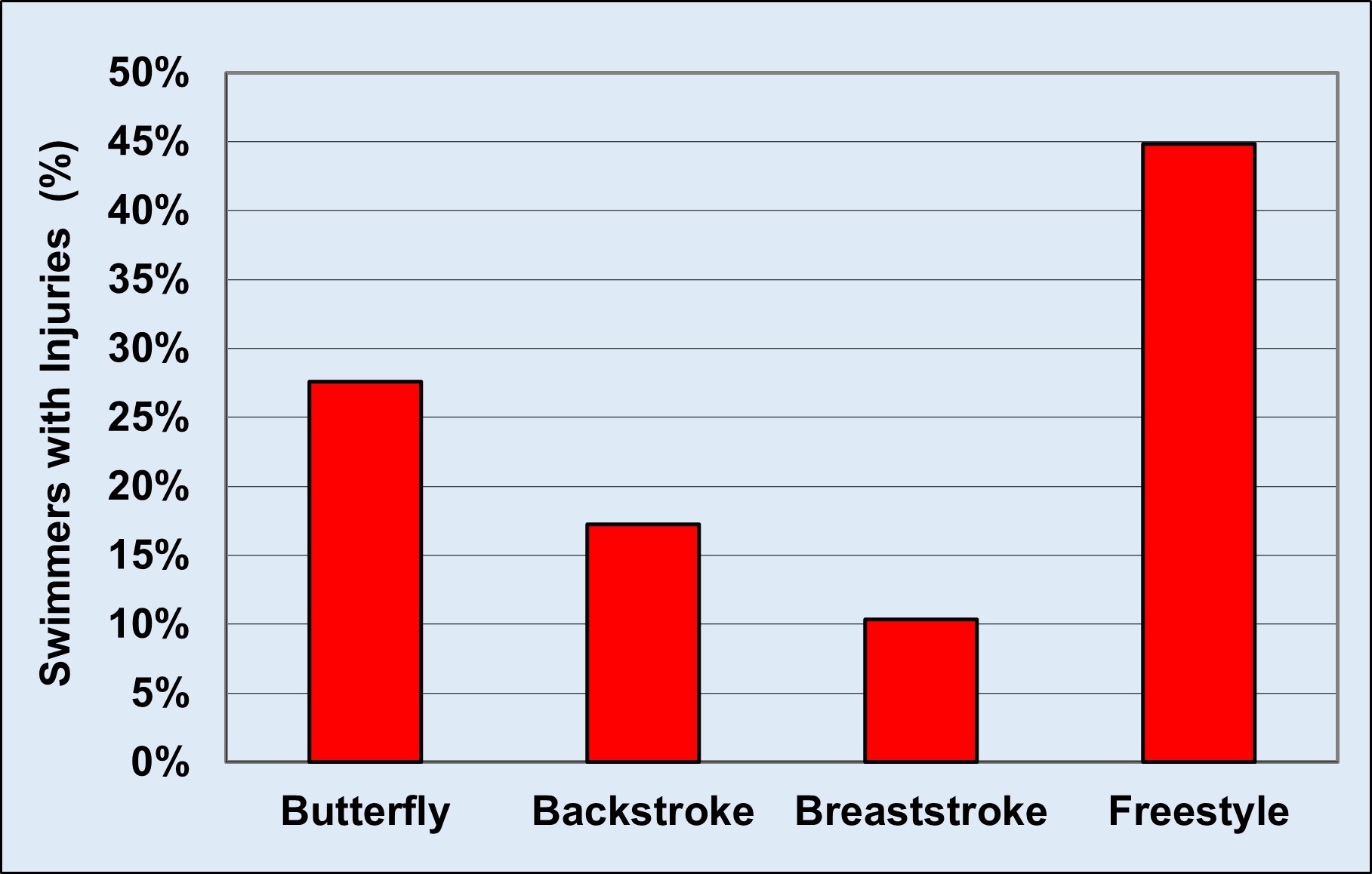
Prevalence of Shoulder Injury
Shoulder Anatomy
Position and Movement Terminology
Phases of the Stroke Cycles
Analysis Procedures
Instructional Procedures
CHAPTER 2
Risk Factors for Shoulder Injury
Training Strategies to Avoid Overuse
Qualitative Screening for Muscular Imbalances
Quantitative Screening for Muscular Imbalances
Correcting Muscular Imbalances with Strengthening Exercises
Correcting Muscular Imbalances with Stretching Exercises
Screening for and Correcting Harmful Technique
CHAPTER 3
Butterfly
Harmful Technique on the Butterfly Entry Phase
Correcting the Butterfly Entry Phase
Harmful Technique on the Butterfly Pull Phase
Correcting the Butterfly Pull Phase
Harmful Technique on the Butterfly Push Phase
Correcting the Butterfly Push Phase
Harmful Technique on the Butterfly Exit Phase
Correcting the Butterfly Exit Phase
Butterfly Drills
CHAPTER 4
Freestyle
Harmful Technique on the Freestyle Entry Phase
Correcting the Freestyle Entry Phase
Harmful Technique on the Freestyle Pull Phase
Correcting the Freestyle Pull Phase
Harmful Technique on the Freestyle Push Phase
Correcting the Freestyle Push Phase
Harmful Technique on the Freestyle Exit Phase
Correcting the Freestyle Exit Phase
Freestyle Drills
CHAPTER 5
Backstroke
Harmful Technique on the Backstroke Entry Phase
Correcting the Backstroke Entry Phase
Harmful Technique on the Backstroke Pull Phase
Correcting the Backstroke Pull Phase
Harmful Technique on the Backstroke Push Phase
Correcting the Backstroke Push Phase
Harmful Technique on the Backstroke Exit Phase
Correcting the Backstroke Exit Phase
Backstroke Drills
CHAPTER 6
Breaststroke
Harmful Technique on the Breaststroke Outward Scull Phase
Correcting the Breaststroke Outward Scull Phase
Harmful Technique on the Breaststroke Inward Scull Phase
Correcting the Breaststroke Inward Scull Phase
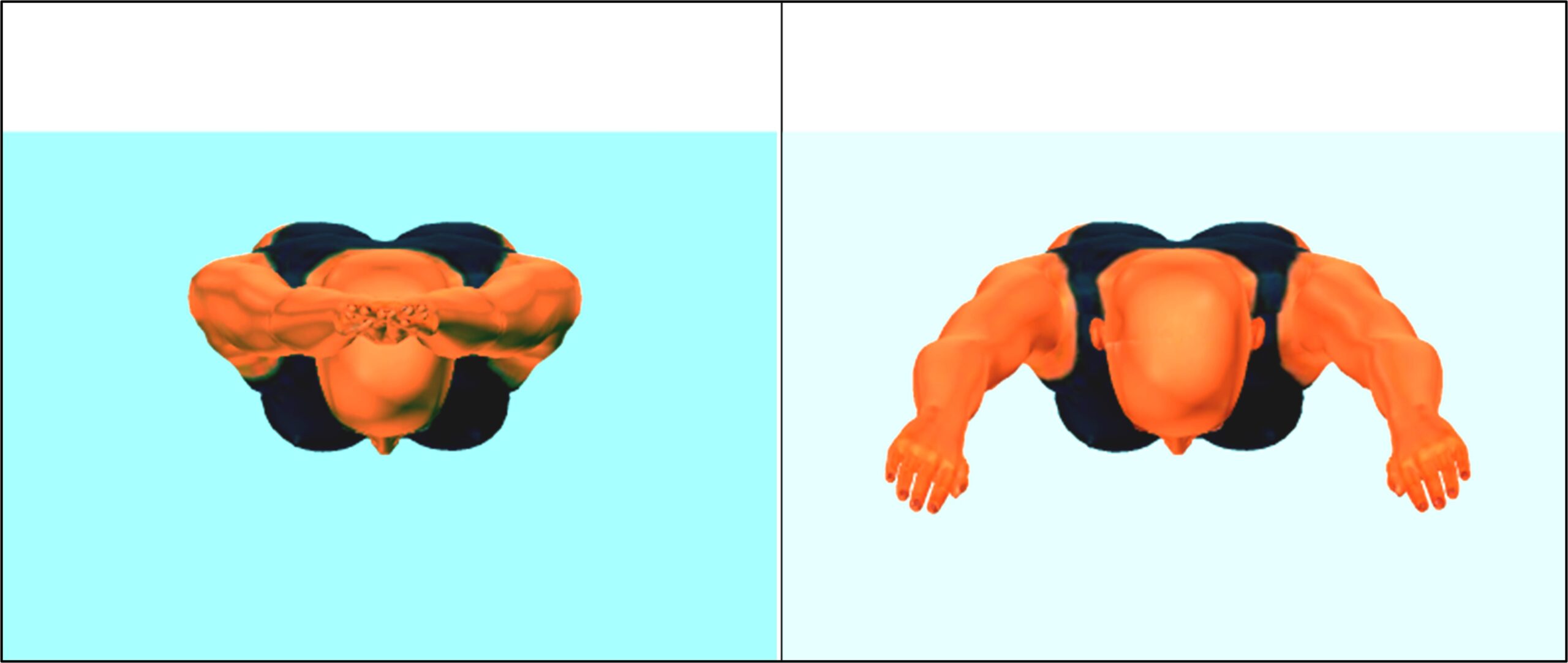
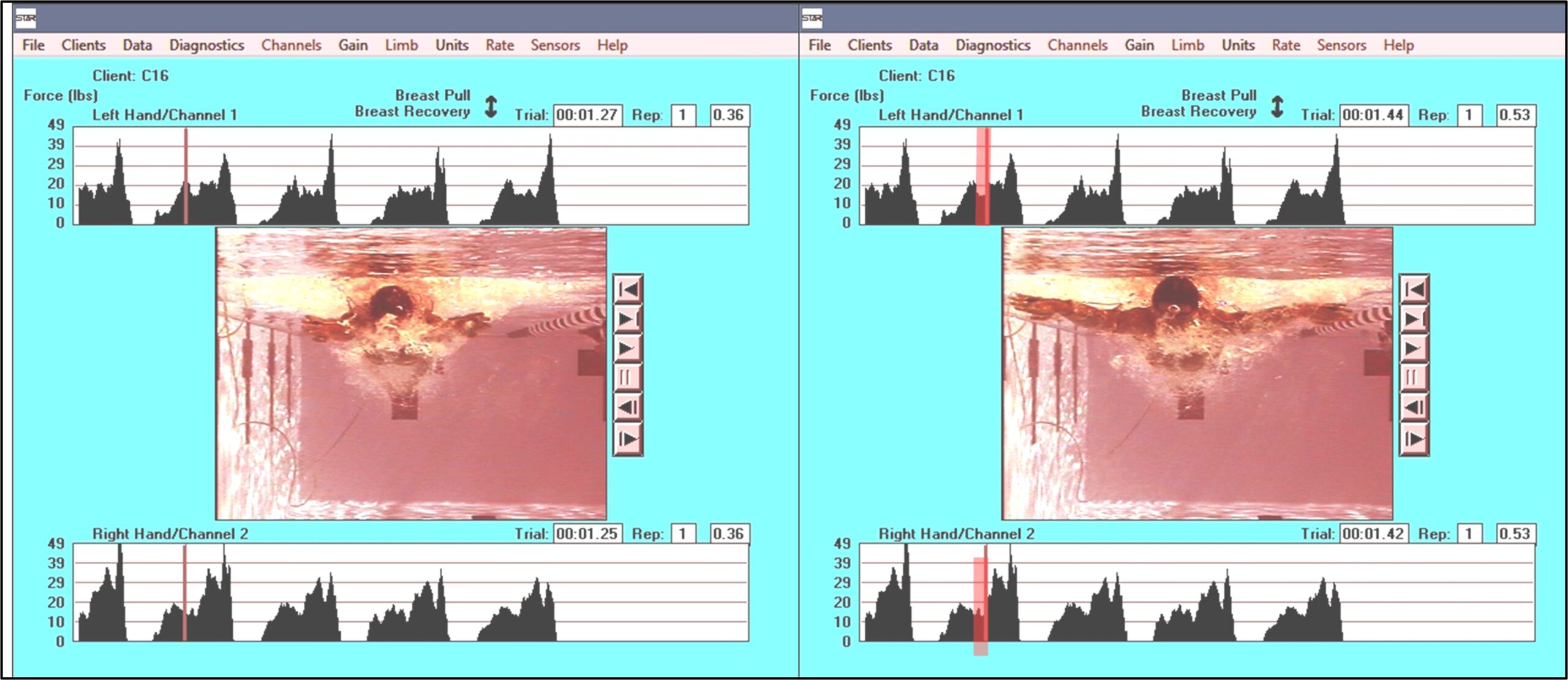
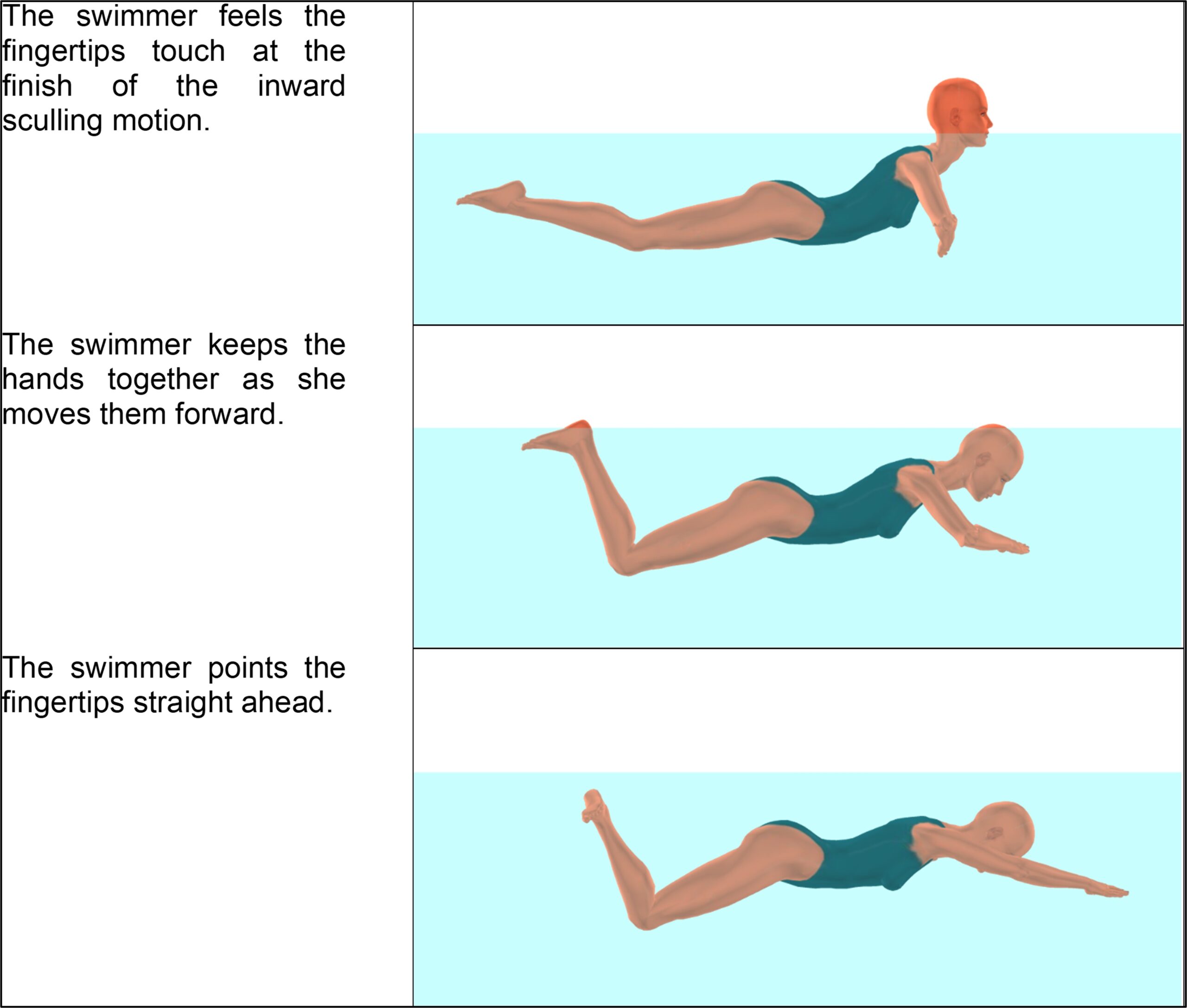
Harmful Technique on the Breaststroke Recovery Phase
Correcting the Breaststroke Recovery Phase
Breaststroke Drills
CHAPTER 7
Practice Strategies to Prevent and Rehabilitate Shoulder Injuries
Differentiating Injury Pain from Conditioning Pain
Deliberate Practice
Helpful Drills
Harmful Drills
Shoulder Stress Index
Shoulder Rehabilitation: A Case Study
Special Concerns for Rehabilitation
Conservative Medical Treatments
Appendix A – FAQs
Appendix B – References


Reviews
There are no reviews yet.