
Description
Technique Analysis Strategies – From the INTRODUCTION . . .
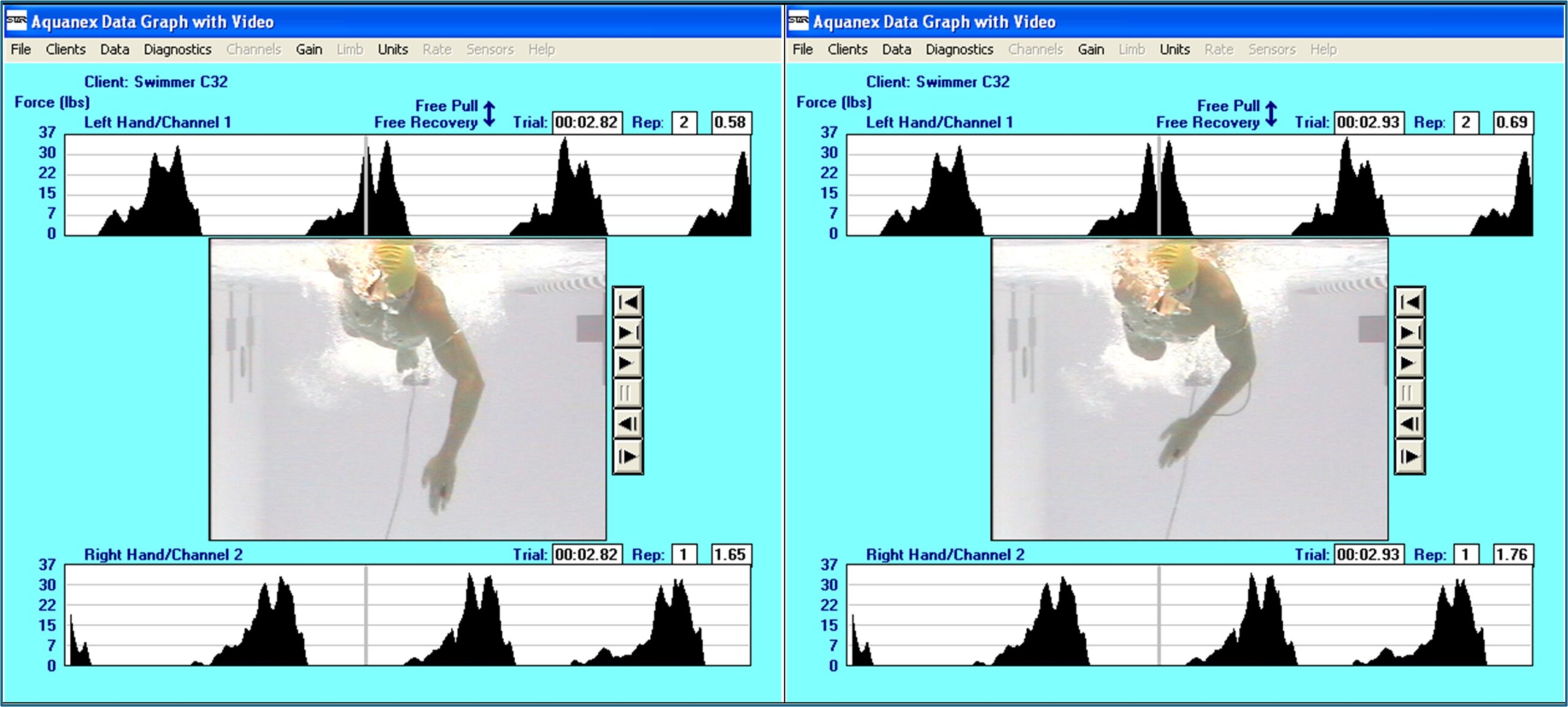
There are two primary methods to analyze swimming technique: qualitative and quantitative.
If an analysis is primarily numerical, it is deemed “quantitative.” If numbers are lacking and evaluations are categorical, the analysis is “qualitative.” A swimmer’s technique can be qualitatively assessed as “effective,” or quantitatively evaluated regarding the values of such variables as stroke length, peak hand force, or the angle at the elbow.
A coach is limited to making qualitative assessments most of the time. Feedback such as “better” or “good” is qualitative. When a coach can quantitatively analyze technique, the variables usually reflect gross body movement (e.g. stroke counts) instead of a specific part of the motion. Although an analysis using stroke counts is quantitative, it gives no information about specific technique elements.
In a typical team training situation . . .
PREFACE
INTRODUCTION
Chapter One: The Scientific Basis for Technique
Chapter Two: Body Position and Movement Terminology
PART ONE: BASIC QUALITATIVE ANALYSIS STRATEGIES
Chapter Three: Naked Eye Analysis of Swimmers
Chapter Four: Naked Eye Analysis Using Visual and Auditory Feedback
Chapter Five: Naked Eye Analysis Using Related Limiting Factors
Chapter Six: Naked Eye Analysis During Swim-Related Activities
PART TWO: ADVANCED QUALITATIVE ANALYSIS STRATEGIES
Chapter Seven: Video Analysis Above Surface
Chapter Eight: Video Analysis Underwater
Chapter Nine: Stroke Similarities
Chapter Ten: Stroke Differences
PART THREE: BASIC QUANTITATIVE ANALYSIS STRATEGIES
Chapter Eleven: Stroke Length
Chapter Twelve: Stroke Rate
PART FOUR: ADVANCED QUANTITATIVE ANALYSIS STRATEGIES
Chapter Thirteen: Stroke Cycle Phase Times
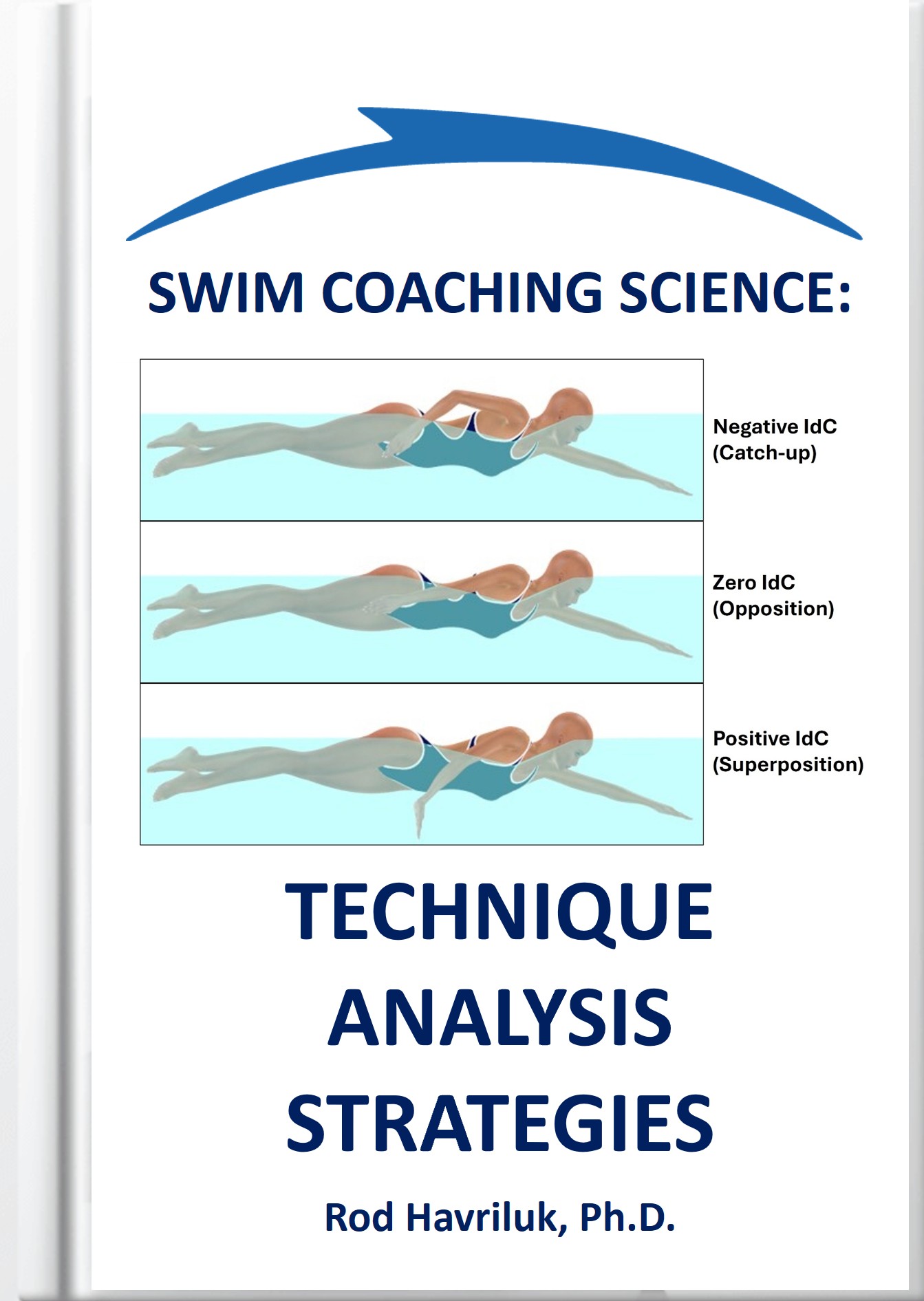
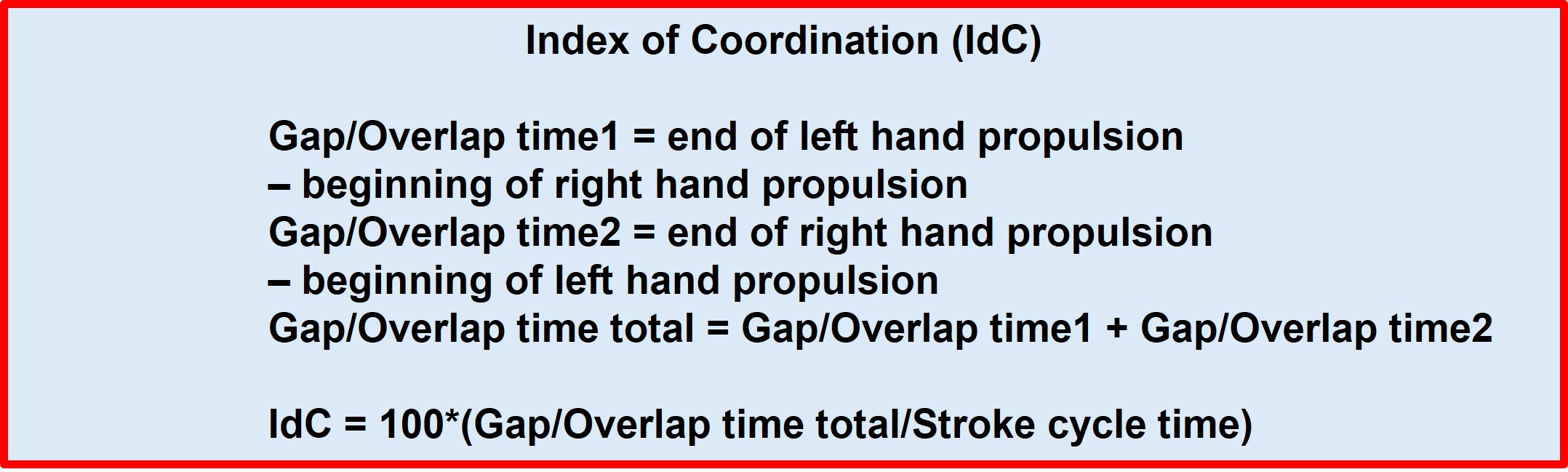
Chapter Fourteen: Arm Coordination (Index of Coordination)
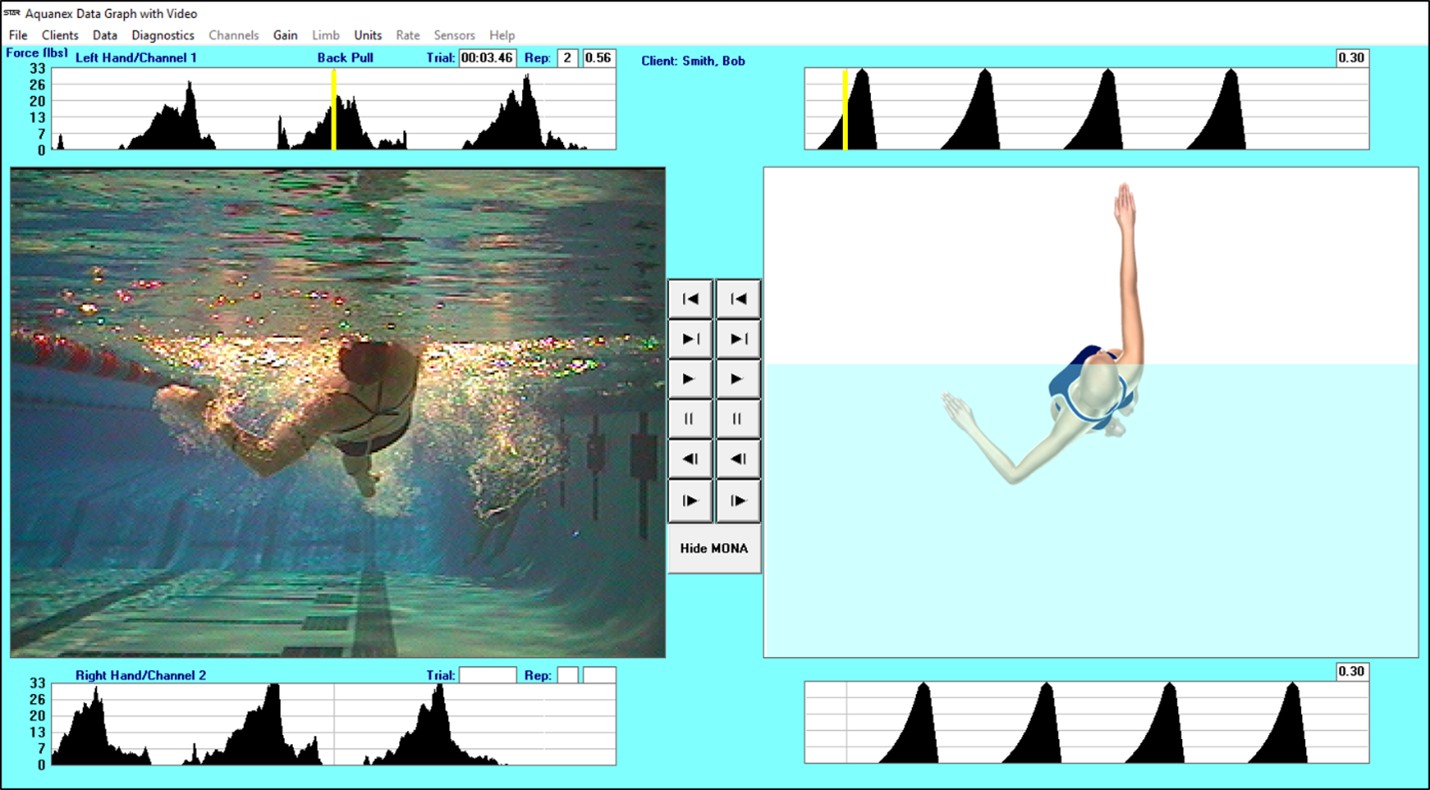
Chapter Fifteen: Intracycle Hand Force Variations
Chapter Sixteen: Exposure Time to Shoulder Stress
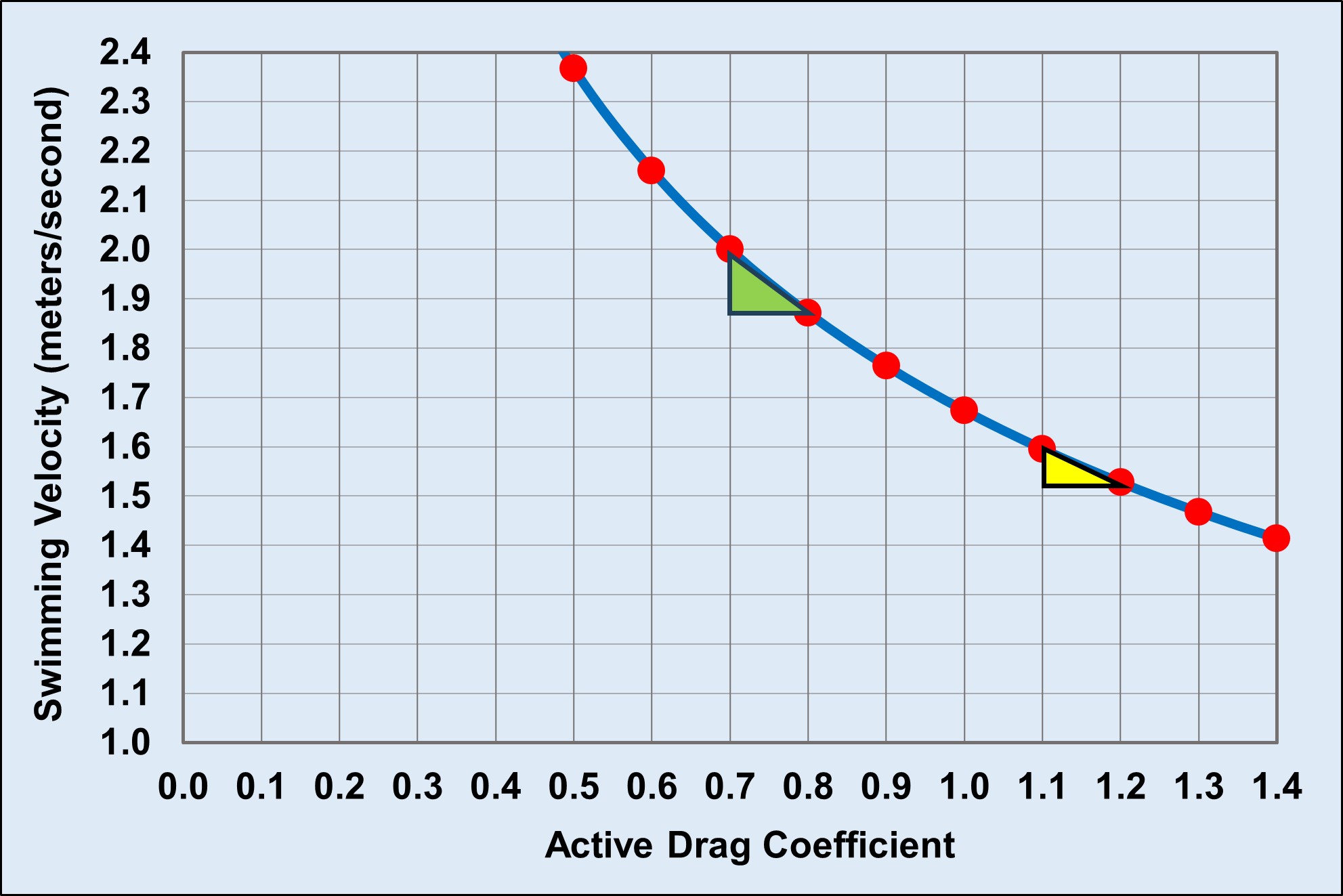
Chapter Seventeen: Active Drag Coefficient
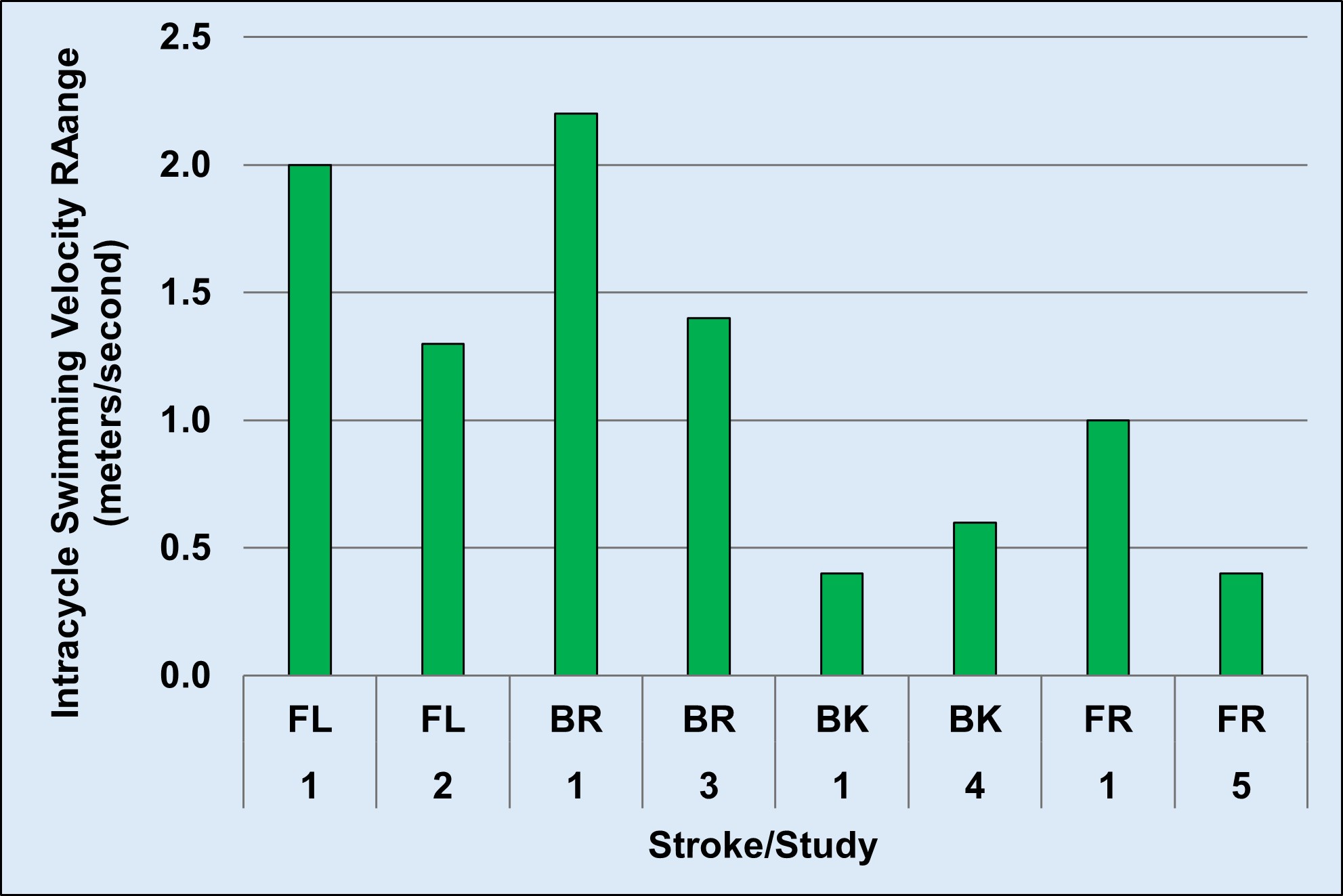
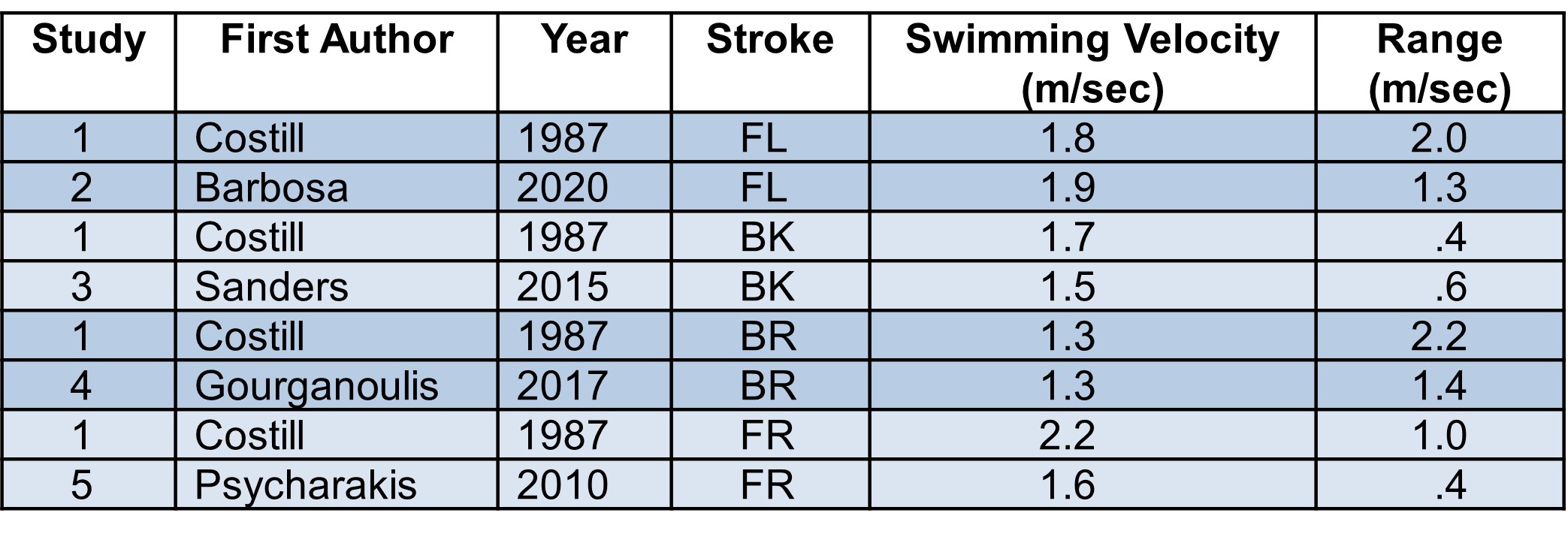
Chapter Eighteen: Intracycle Velocity Variations
Chapter Nineteen: Bilateral Symmetry (Symmetry Index)
EPILOGUE: The Last Word
APPENDIX A: TECHNIQUE FAQS
APPENDIX B: CUE CHECKLIST
APPENDIX C: INTERNET Resources
APPENDIX D: Selected STR Technique Research Summary
APPENDIX E: SELECTED REFERENCES
The Swim Coaching Science Series is available.
More products are available on the Swimming Technology Research website.


Reviews
There are no reviews yet.