Description
Description
This book in the Approaching Perfect Series was prompted by the many misconceptions about swimming technique, most of which have become “conventional wisdom.” For example, ineffective arm synchronization (like catch-up stroke), counterproductive drills (like one arm freestyle), and nonscientific analysis procedures (like adopting a technique element of a champion only because he/she swims fast) have contributed to the proliferation of misconceptions. Each chapter explains a misconception followed by a scientific alternative.
There are six parts in this ebook. The first part includes the most basic misconceptions about the fastest swimmers. The next five parts include misconceptions about mechanical principles, stroke phases, head position and motion, body motion, arm motion, and training. There are two appendices – FAQs and selected references.
From the Preface –
Developed with the individual swimmer in mind, this book is based on more than 30 years of research and supported by specific experience in coaching (from age group to college level), consulting with domestic and international swim teams, and the author’s work with individual swimmers at every performance level (from beginners to world record holders).
PREFACE
INTRODUCTION
Chapter One: The Fastest Swimmers Have the Most Effective Technique
Chapter Two: The Fastest Swimmers Have a “Feel for the Water”
Chapter Three: The Fastest Swimmers Excel Because of Natural Talent
Chapter Four: Technique Is Optimized on an Individual Basis
Chapter Five: It’s Too Late in the Season/Career to Change Technique
PART ONE: MECHANICAL PRINCIPLES
Chapter Six: The Arm “Anchors” to Begin the Pull
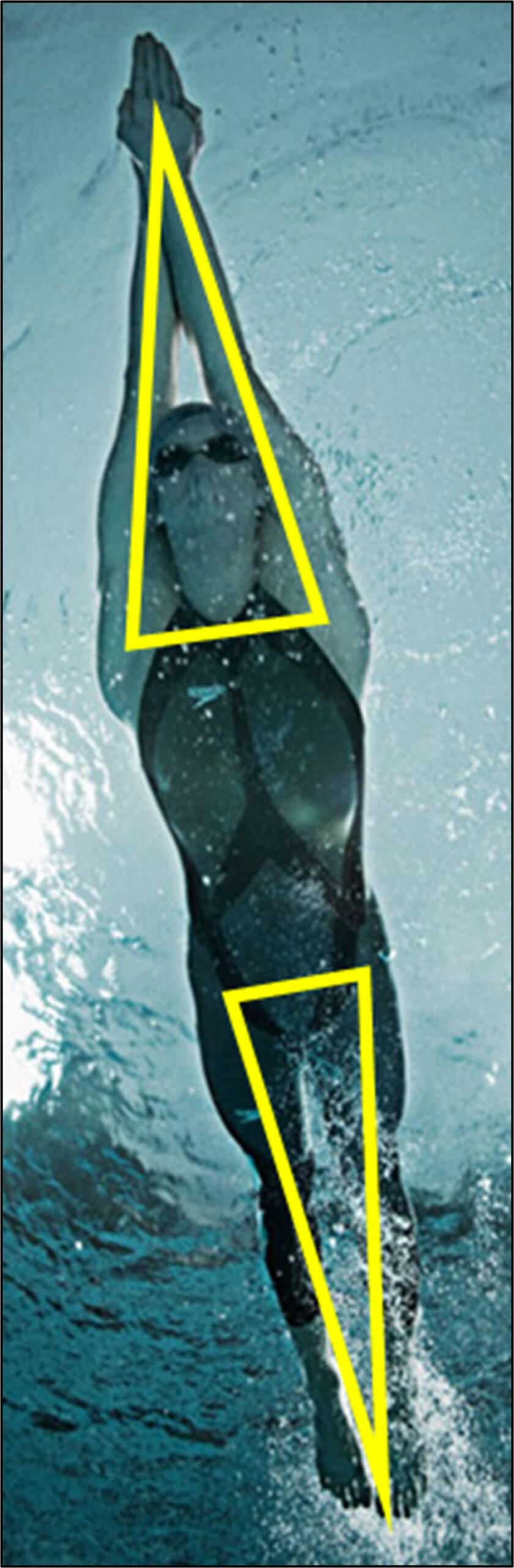
Chapter Seven: A Straight Entry Arm Can Increase Hull Length
Chapter Eight: Swimmers Can’t Exceed Hull Speed
Chapter Nine: Swimmers Are Approaching the Limit to Maximum Velocity 0
Chapter Ten: A Forceful Stroke Feels Strong
PART TWO: STROKE PHASES
Chapter Eleven: The Glide Phase Follows the Arm Entry in Freestyle
Chapter Twelve: The Arm Enters Parallel to the Surface in Freestyle
Chapter Thirteen: The “Catch” Is a Phase of the Stroke Cycle
PART THREE: HEAD POSITION AND MOTION
Chapter Fourteen: The Head Must Be Submerged in Freestyle
Chapter Fifteen: Bilateral Breathing Makes a Freestyle Stroke Symmetrical
Chapter Sixteen: The Neck Does Not Extend for Breaststroke Breathing
Chapter Seventeen: The Neck Does Not Extend for Butterfly Breathing
PART FOUR: BODY MOTION
Chapter Eighteen: An Emphasis on Undulation Is Necessary in Butterfly
Chapter Nineteen: Butterfly and Breaststroke Are Short Axis Strokes
Chapter Twenty: Freestyle Hip Rotation Increases Hand Force
PART FIVE: ARM MOTION
Chapter Twenty One: The Freestyle Hand Path Has an S-Shape
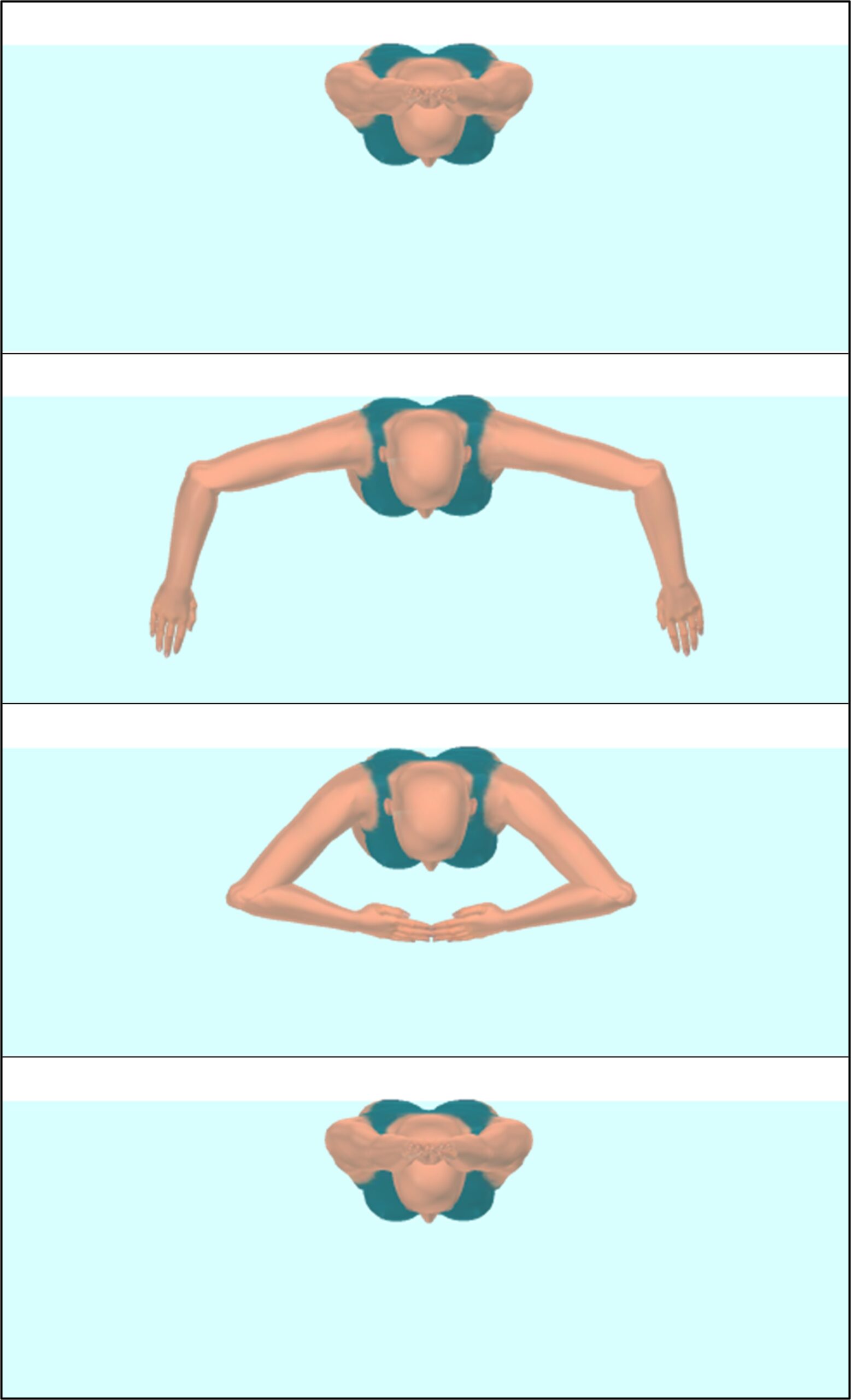
Chapter Twenty Two: The Butterfly Hand Path Has an Hourglass Shape
Chapter Twenty Three: The Freestyle Pull Begins With a Vertical Forearm
Chapter Twenty Four: “Front Quadrant Swimming” Is Effective
Chapter Twenty Five: A Straight Arm Pull Is the Fastest Freestyle
Chapter Twenty Six: Resistance Is More Important Than Propulsion
Chapter Twenty Seven: A Straight Arm Recovery Is the Fastest Freestyle
Chapter Twenty Eight: Typical Freestyle Arm Coordination Is Effective
Chapter Twenty Nine: The Hands Recover Above the Surface in Breaststroke
Chapter Thirty: The Arms Move Upward to Begin the Backstroke Start
PART SIX: TRAINING
Chapter Thirty One: “Swimming Through the Pain” Maximizes Performance
Chapter Thirty Two: Drills Improve Technique
Chapter Thirty Three: Training Distance Indicates Training Value
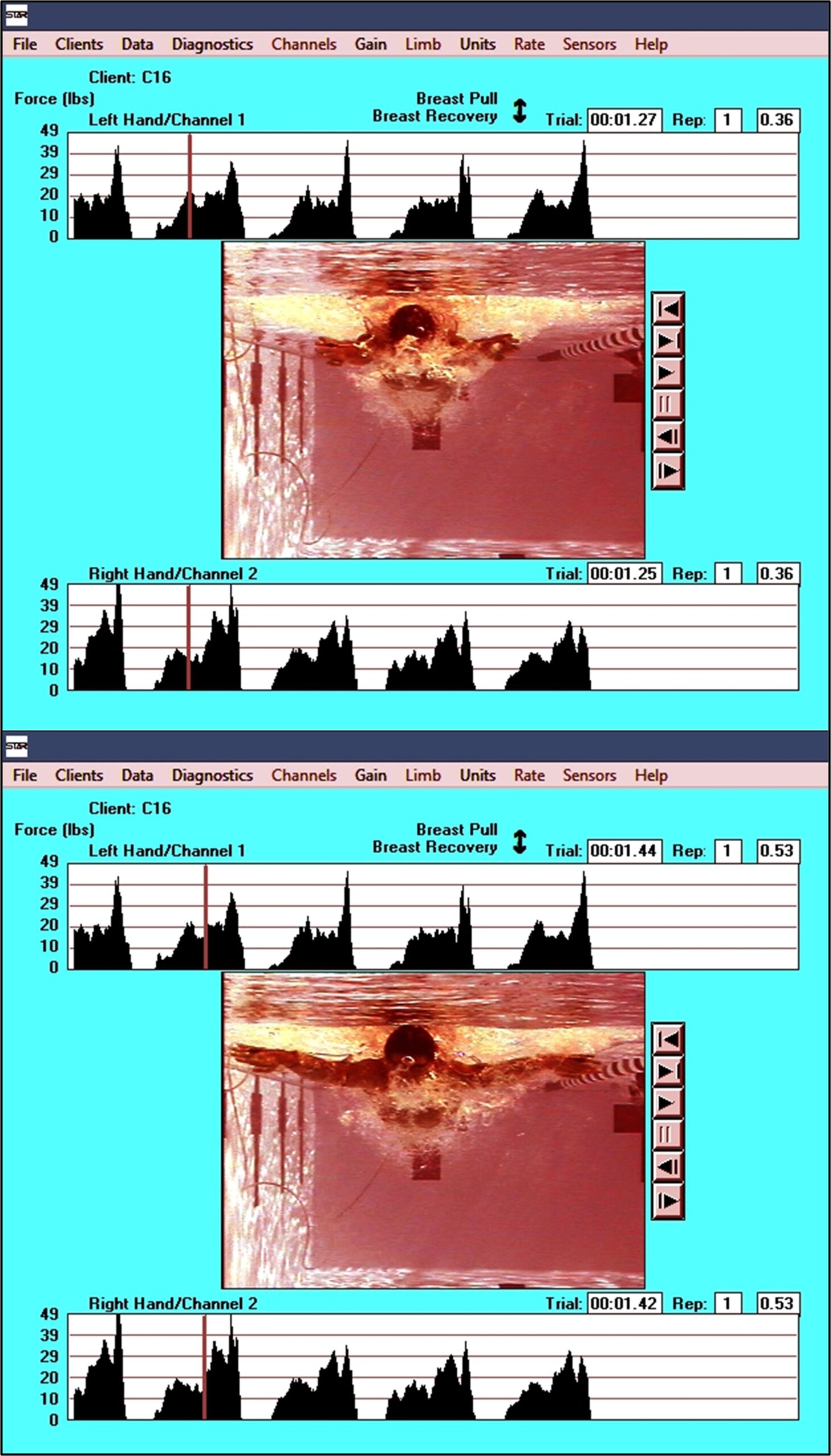
Chapter Thirty Four: Video Is Appropriate to Analyze Technique
Chapter Thirty Five: A Lower Stroke Count Means Better Technique
AFTERWORD: Science Is Risky
APPENDIX A: TECHNIQUE FAQS
APPENDIX B: SELECTED REFERENCES


Reviews
There are no reviews yet.